🍪 Important information about cookies
We use cookies to help us improve your experience with us. By continuing to use our site, you are accepting such use.
Too much daydreaming, not enough writing? You’re not alone. This strategy helped me work through writer’s block, and make the most of creative writing skills.
You might spend ages unpicking a piece of writing. It’s frustrating. It can lead to nowhere. And it’s a hallmark of writer’s block.
You might Google writing tips, creative prompts, or even run to AI for answers. But they don’t always deliver.
Well, I’m writing to you to suggest another approach. And good news. It’s a game.
In fact, it’s a game that’s been played for decades. It’s a focal point in Stranger Things. A cornerstone of storytelling. There are even podcasts and YouTube channels dedicated to this game, inspiring a whole generation of new players.
My job for today is to convince you why you should give ‘Dungeons and Dragons’ a chance.
What Is ‘Dungeons & Dragons’?
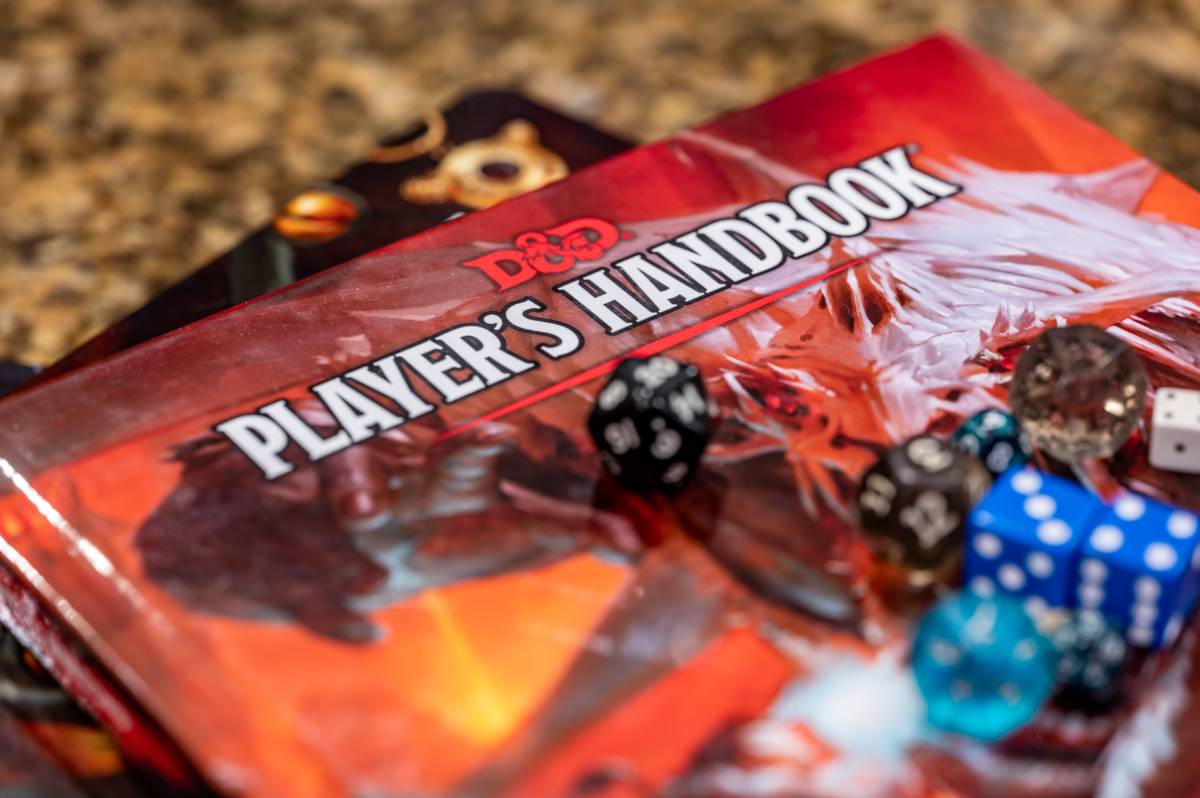
For the uninitiated, Dungeons and Dragons (or D&D) is a tabletop role-playing game. Players make characters and go on an imaginary adventure set by the gamemaster.
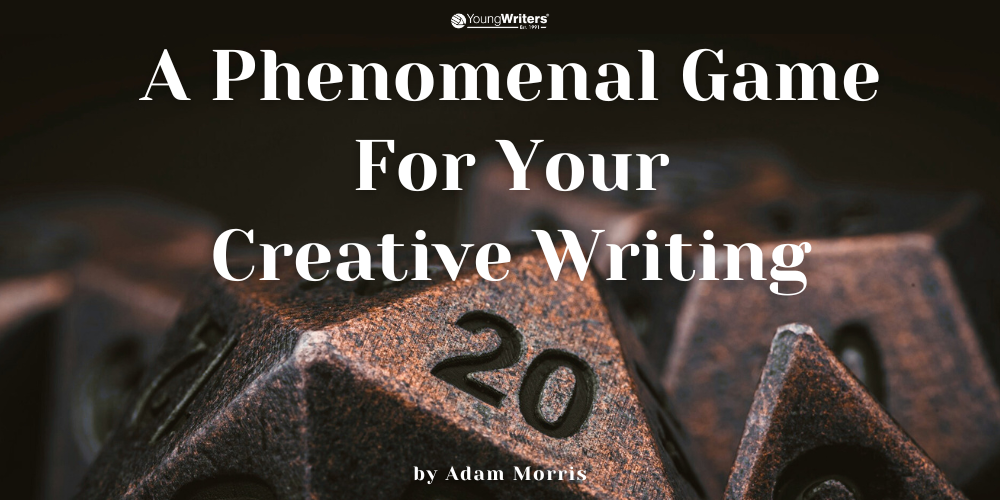
As well as roleplaying your characters, mechanics are decided by a roll of the dice. Whether you ‘crit with a 20’ or roll a ‘nat 1’ will affect everything from mysterious encounters right through to combat.
Many games take place around a table. And while some gamemasters like to use music and props to set a scene, the vast majority of the action takes place in your head.
As a game, it’s perfect for writers.
Why Should I?
Storytelling is not an isolated process. It’s built on life experience. It’s relatable. It’s collaborative. Writers have editors, proofreaders, and sources of inspiration from all over.
When I was a young writer, I didn’t have any of those things. My life experience was school. And I definitely couldn’t afford to pay an editor, or attend a workshop.
Dungeons and Dragons gives you an opportunity to practise different areas of storytelling. It also puts you in front of other storytellers. You get constant exposure to narrative building blocks. You learn what people enjoy about stories.
You also learn it a lot faster, because the whole experience is one big game.
Still not convinced? Let’s look at a few more areas in detail.
Getting Into Character
Dungeons and Dragons will teach you a thing or two about character creation. In a story, most writers like the characters they create. This means we all have a tendency to “protect them”. We give them invulnerabilities. But this makes them boring.
In D&D this is discouraged. There are too many traits, feats, and proficiencies so your character can’t have them all. It forces you to think about flaws.
A character in D&D will have strengths and weaknesses. And they matter. You have to think about how your characters will solve problems.
You’re in luck though. Readers like to see characters go through hell and back. It’s how we learn to empathise with them, and ultimately love them.
Flawed characters are far more interesting and relatable.
When It All Goes South
When a dice roll gets involved, it’s absolute chaos. Even with the best planning and strategy, situations go wrong. A lot.
Kind of like real life.
This makes storytelling better. More exciting. Readers relate to that.
Embrace the carnage.
In D&D, there’s no convenient secret weapons under the floorboards, sudden saviours, or handy escape routes. The gamemaster is out to get you. And you’re on your own. That means you have to get creative.
As an aspiring author, this is a crash course in writing about characters who have to beat the odds. What better practice could you want?
Opening Up A Dialogue
Speech is one of the hardest aspects of storytelling. It can feel unnatural and cliché. That’s because you’re writing both sides. You have to pretend to be two people. It’s hard work.
But D&D will come to your rescue here as well.
Playing a character means roleplay.
Yes. Roleplay.
Don’t cringe. It’s not that bad.
Roleplay will encourage you to think about dialogue. How does your character speak? Do they have an accent? Do they have a catchphrase? What about tone of voice? What about body language?
The list goes on and on.
You’ll get to experiment with all this in real time.
I guarantee that it’ll be terrible at first. But as time goes on, you’ll pick it up.
You’ve heard it all before, but writers get better by writing. Same goes for the dialogue. You’ll learn how to sound natural in your speech the more you practise it. Plus there’s much less risk of getting caught talking to yourself in public.
Dipping Your Toes In The Water
Even with those three examples, I can appreciate that ‘Dungeons and Dragons’ might still be the last thing on your mind.
But you’re a young author. You live in stories already. Isn’t this just one more?
If you’re worried about the time commitment, fair enough. You can look up these resources with no strings attached.
Many D&D fans will tell you that playing with a group of friends is the best way to enjoy D&D. But if that’s not a possibility, these places are a strong start.
Podcasts
There are endless podcasts following the adventures of players and gamemasters roleplaying in a real campaign.
Below are two to get you started. Give one a trial run. If anyone asks, tell them you’re listening to something cool. They’ve probably never heard of it either.
You’ll sound so trendy.
●Season 1 of Sneak Attack is a well-known classic in the D&D series and is warmly recommended by the community. There’s also a sci-fi edge too in case you love that kind of genre.
●Stack of Dice is another actual play series, based on a homebrew world. It also has episodes that go into more details with the characters.
Websites
If you’d like to look up the game manuals and mechanics, or even try playing for yourself, you can do so here:
●D&D Beyond is designed for people running campaigns. But aside from that, it’s a cracking encyclopedia. Read about character creation, the rules, and the community all in one place.
●You can read about the 5e version of D&D on DnD Wikidot. Same deal. Plenty of information to sink your teeth into, if you want to do some research.
●AI Realm is a single player D&D campaign. The gamemaster is an AI so you can play solo. It comes well recommended so create a free account and start your own mini adventure.
The Endgame
Dungeons and Dragons is considered one of the greatest games in the world. It turns players into storytellers. It’s a feedback loop as you play with other people. Plus you learn to visualise the story with more purpose and clarity.
Above all else, it will also help writing to feel less like work on the days when it feels like work.
And the more you play, the better you get.
So what are you waiting for?
Roll initiative.
(If you start playing D&D, you’ll get that reference.)
Author Bio
AdamMorris has worked in education for over a decade, teaching literacy groups,
and writing for organisations like Twinkl and Young
Writers. He loves games, reading, and dancing.
I've been playing Dnd since I was 7 years old and have made about a gazillion characters. What I think you should do is make Dnd more accessible by giving step-by-step instructions and how to make a character builder, along with pictures of the different classes and races and a character name generator.
Remember when you make a character that character is there for the whole campaign.by Fatimah - 01-06-2026 21:10